RURAL CSR & COMMUNITY IMPACT
1. Introduction: The Unseen Crisis in Rural Drinking Water
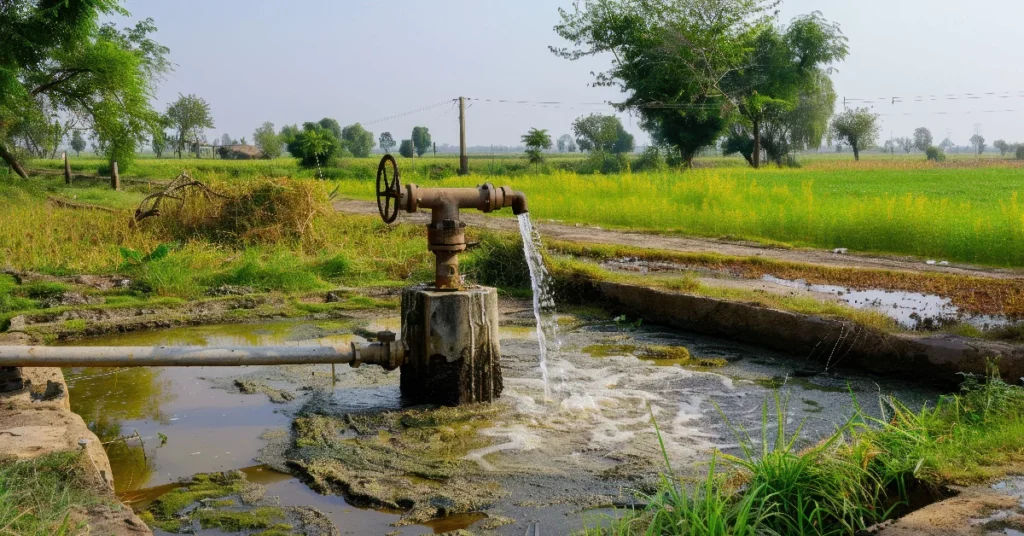
Access to safe drinking water remains one of the most critical socio-economic and public health challenges across rural India. While groundwater serves as the primary source of drinking water for over 85% of rural households, vast stretches of rural hinterlands suffer from severe chemical contamination—including dangerous levels of Fluoride, Arsenic, Nitrates, and excessively high Total Dissolved Solids (TDS).
The health ramifications are devastating. Prolonged consumption of contaminated groundwater leads to debilitating conditions such as fluorosis, chronic kidney ailments, gastrointestinal infections, and stunted growth in children. Beyond health, water collection places a disproportionate physical and economic burden on rural women and young girls, who routinely spend up to 3 to 4 hours daily trekking to distant water sources.
2. The Shift from Philanthropy to Sustainable CSR Infrastructure
Historically, corporate philanthropy in rural water supply focused on short-term fixes: drilling hand pumps or donating basic gravity-based filters. However, these traditional models frequently fail due to:
Unstable Electrical Grids: Rural power fluctuations render conventional electric filtration plants inoperable for hours or days.
Lack of Local Operations & Maintenance (O&M): Without trained personnel or technical support, broken filtration units are quickly abandoned.
Absence of Real-Time Quality Tracking: Village panchayats rarely have the testing equipment needed to detect filter breakdowns or water quality dips.
Under modern Corporate Social Responsibility (CSR) frameworks—specifically initiatives like Adopt a Village (AAV)—corporates are transitioning toward sustainable, tech-enabled infrastructure.
3. Anatomy of a Decentralized Smart Water Kiosk
A modern, sustainable community water plant designed for rural deployment operates as an integrated technological ecosystem:
Solar Micro-Grids: By integrating high-efficiency photovoltaic (PV) solar panels with heavy-duty battery storage, water kiosks operate completely off-grid. They deliver consistent, purified drinking water regardless of local power outages.
Multi-Stage Advanced Filtration Stack:
Sediment & Media Pre-Filtration: Removes suspended physical solids, silt, and turbidity.
High-Rejection RO Membranes: Eliminates dissolved heavy metals, nitrates, fluoride, and excess salts.
Ultrafiltration (UF) & UV Disinfection: Kills 99.99% of bacterial and viral pathogens without introducing toxic chemical residues.
Active Mineralization: Restores essential dietary minerals such as Calcium and Magnesium to ensure optimal health benefits.
IoT Telemetry & Smart Dispensing: Smart RFID card reader meters allow villagers to draw calibrated daily quotas affordably. Simultaneously, IoT telemetry modules transmit live data regarding water quality (TDS, pH, turbidity), flow rate, and filter pressure directly to central monitoring platforms.
4. Measurable Socio-Economic & Health Returns
Investing in decentralized community water infrastructure under CSR generates quantifiable social returns:
Direct Health Optimization: Studies in adopted villages show an immediate 70% to 80% reduction in waterborne gastrointestinal illness within the first six months of deployment.
Gender Equality & Time Savings: Eliminating long walks for water frees up hours for rural women, enabling them to participate in micro-enterprises, self-help groups (SHGs), and local agricultural trade.
School Retention Rates: Reduced waterborne illness directly translates into lower student absenteeism, particularly among young girls in adopted rural schools (AAS Program).
5. Conclusion: Partnering for Lasting Rural Impact
Building a water-secure India requires structured collaboration between forward-thinking corporate CSR leaders, technology integrators, and local village communities. By leveraging turnkey, IoT-enabled rural water solutions through Nandtech Group’s AAV Framework, corporate partners can deliver transparent, verifiable, and permanent ESG impact.